


Heart racing for no reason?
Does your heart ever race or flutter for no reason?

Atrial Fibrillation (AFib)
Today, let's talk about AFib, an uneven heartbeat you can manage.

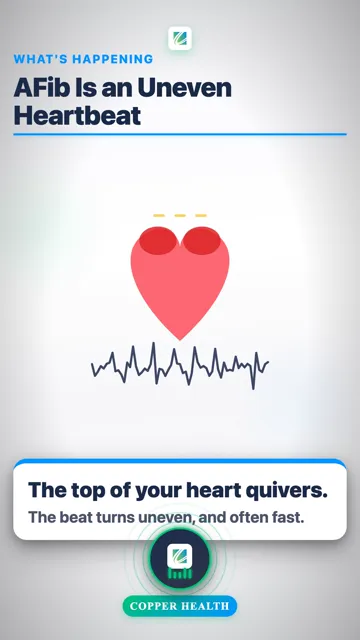
AFib Is an Uneven Heartbeat
So what is AFib? Normally your heart keeps a steady beat. With AFib, the top of your heart does not beat in time. It quivers, or shakes. That makes your heartbeat turn uneven, and often fast. You may feel a flutter, or feel nothing at all.
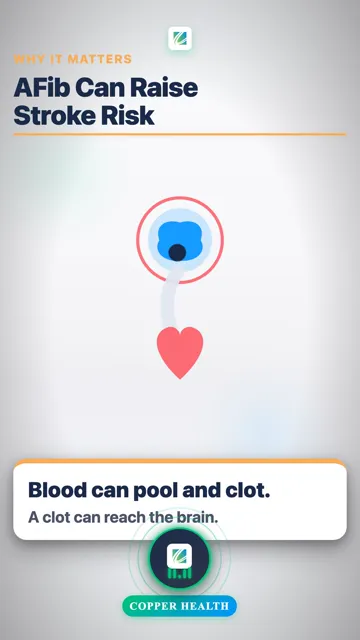
AFib Can Raise Stroke Risk
Here is why AFib matters. When the beat is uneven, blood can pool inside your heart. Pooled blood can form a clot. If a clot breaks loose, it can travel to your brain and cause a stroke. That is why we treat AFib. The good news? You can lower the risk.
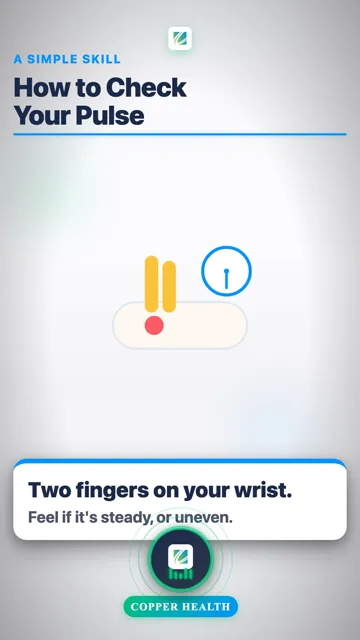
How to Check Your Pulse
Here's a simple skill for home. Turn one hand palm up. Place two fingers on your wrist, just below your thumb. Press gently until you feel your pulse. Now notice. Does it feel steady, like a clock? Or uneven, with extra or skipped beats? Call your doctor about a new fast or uneven pulse.
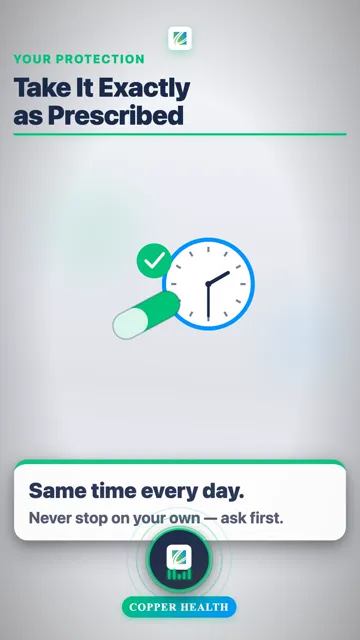
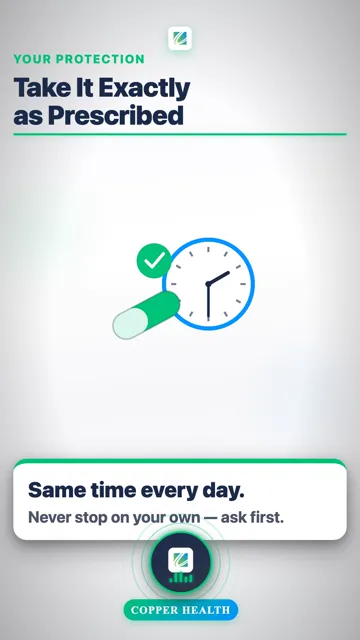
Take It Exactly as Prescribed
If you need protection, your doctor may give you a blood thinner. It helps stop clots. To work, it must stay even in your body. So take it at the same time each day. Do not take two to catch up on a missed dose. And this is key. Never stop it on your own. Ask your doctor first.
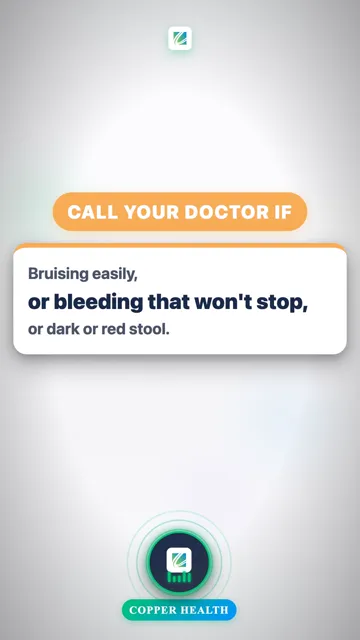
Call Your Doctor If
A blood thinner can also make you bleed more easily. So call your doctor if you bruise easily, if a cut or nosebleed will not stop, or if you see dark or red in your stool. These can be signs of bleeding inside.
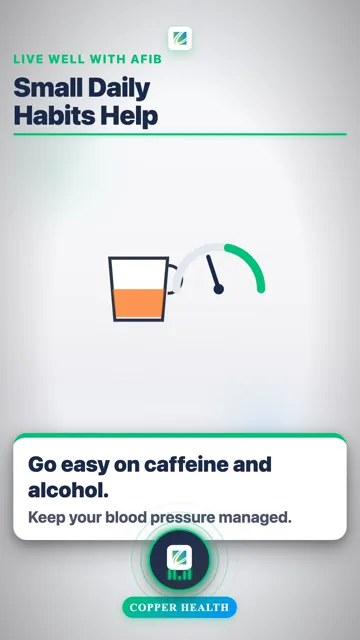
Small Daily Habits Help
Small daily habits help too. Too much caffeine or alcohol can sometimes trigger an uneven beat, so go easy on both. Keep your blood pressure managed, with your medicine and less salt. And keep moving in ways your doctor says are safe. Little steps add up.
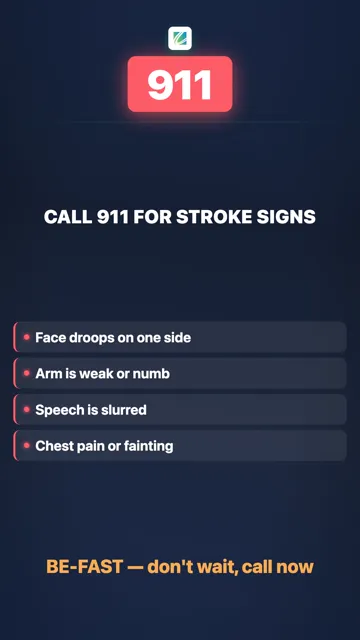
CALL 911 FOR STROKE SIGNS
Now the most important part. Call 911 right away if one side of the face droops, an arm is weak or numb, or speech is slurred. Also call 911 for chest pain, fainting, or sudden trouble breathing. Do not wait. Do not drive yourself.
Remember
Can you name the three? Check your pulse. Take your pills as told. Know the 911 signs.
Your shield has one rule
Your blood thinner is your shield. But one rule keeps it safe, and most people miss it. Watch next.
About this information
This information was created with AI assistance and is for educational purposes only. AI can make mistakes. Always follow your doctor's advice and consult your healthcare provider for medical decisions.