


Free medicine for diabetes?
A free medicine for diabetes?

Exercise With Diabetes
It's moving your body. Today, how to do it safely with diabetes.

Moving Muscles Use Up Sugar
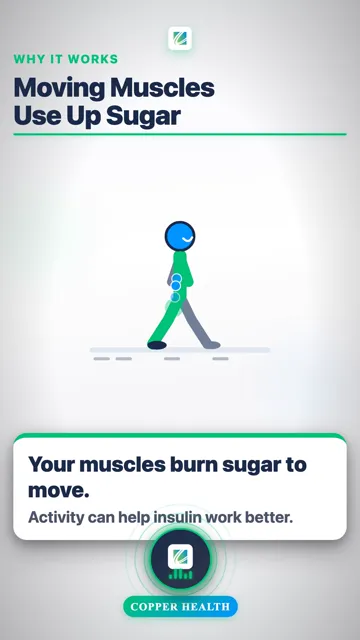
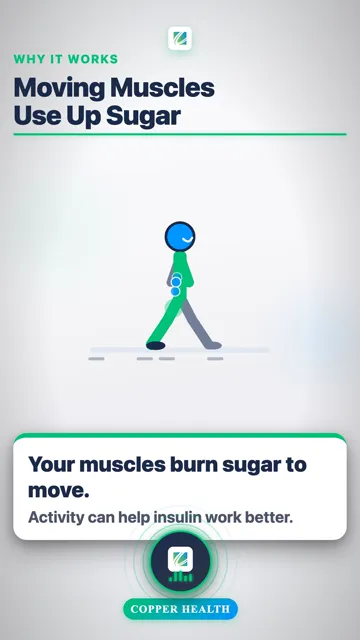
So why does moving help so much? It comes down to your muscles. When you move, they need fuel, and one fuel they use is sugar. So they pull sugar right out of your blood to power you. Activity can also help your own insulin work better. So your blood sugar can come down, just from getting up and moving.
150 Min A Week
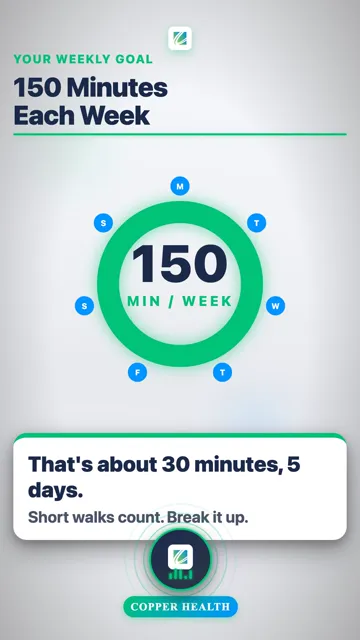
So here is your simple target. One hundred fifty minutes a week. That's just about twenty-two minutes a day.
150 Minutes Each Week
Now don't let that number scare you. It sounds like a lot. But broken down, it's easy. Think of it as about thirty minutes a day, on five days a week. And the best part? It does not have to be all at once. Three short ten-minute walks add up to the same thirty minutes. A walk after each meal counts. So go at your own pace, and build up slowly.
Great Ways To Move
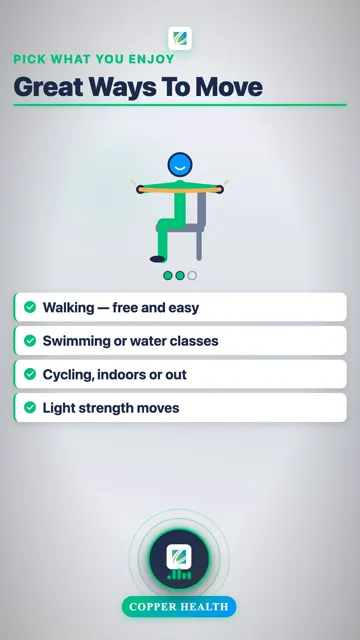
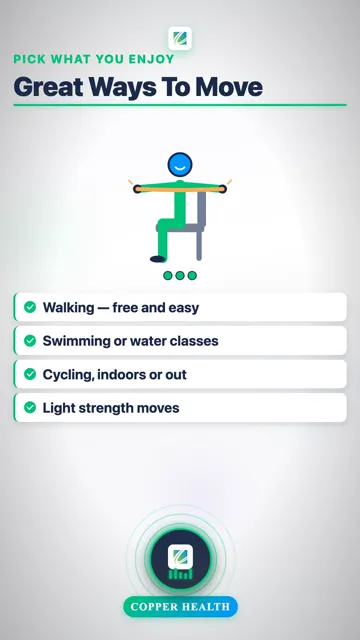
So what counts as activity? Lots of things. Walking is the easiest. It's free, you can do it almost anywhere, and it's gentle on the body. If your joints ache, swimming or a water class can feel wonderful, because the water holds you up. You can also cycle. And light strength moves, even from a chair, keep your muscles strong. So pick what feels good. The best activity is the one you'll keep doing.
Start Here
But first, one important step. Ask your doctor first, before you start anything new. This matters most if you've been resting a while, or have other health problems. A doctor can help you start safely.
Check Before And After
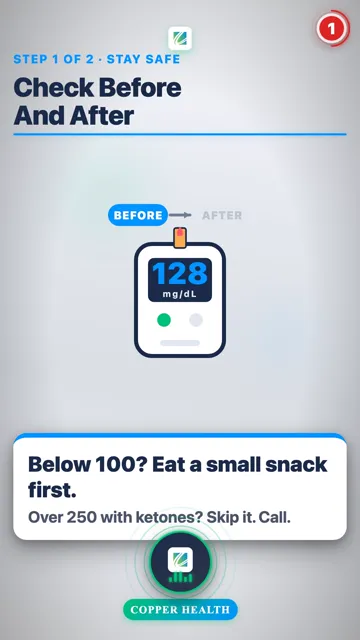
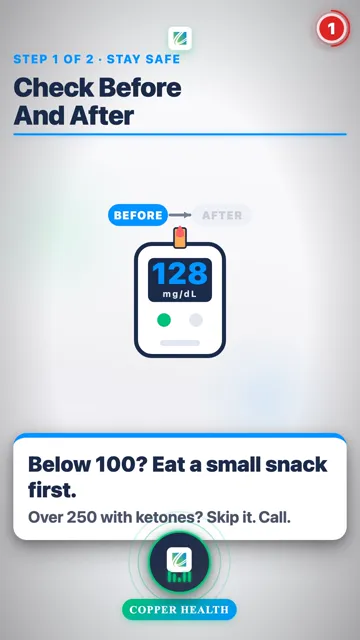
Now let's talk about staying safe. This is step one. Check your blood sugar before you exercise, and again after. Why? Because moving uses up sugar, so activity can push your sugar low. Here's a simple guide that matches your screen. If your number is below one hundred before you start, eat a small snack first, so you don't go low. And if your sugar is over two hundred fifty and you have ketones, skip the workout for now and call your care team. When in doubt, check first.
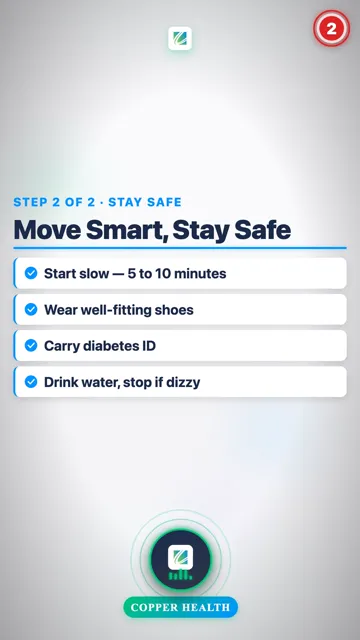
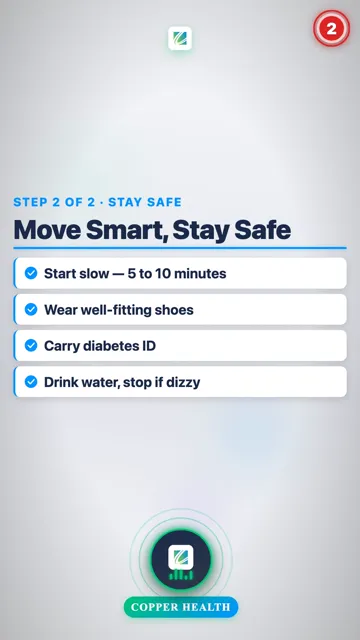
Move Smart, Stay Safe
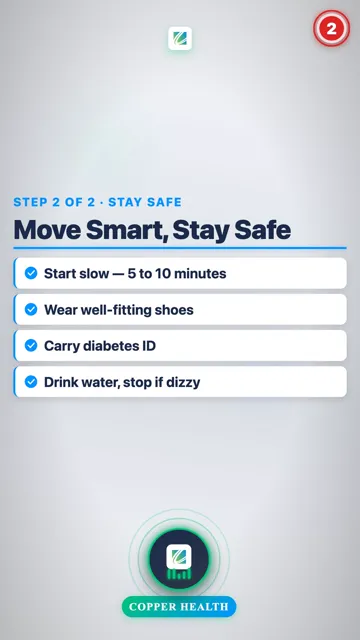
Step two, habits that keep you safe. Start slow. Just five or ten minutes at first, then build up each week. Always wear well-fitting shoes, and never go barefoot, because feet need extra care with diabetes. Carry something that shows you have diabetes, like a card or bracelet. And drink water as you go. Most important, if you feel dizzy, short of breath, or unwell, stop and rest. Listen to your body, every time.
Carry a Fast Snack
One handy habit. Always carry a fast snack when you're active, like a juice box or a few glucose tablets. If you drop low, they bring it back up fast.
Helpful Tip
Here's a helpful tip. Try to move at the same time each day. It keeps your blood sugar steadier. A walk after meals works well.
Remember
Before we finish, can you remember the three big ones? One hundred fifty minutes a week. Check your sugar. And start slow.
Up next: sick days
So what happens to all this when you get sick? A simple cold can throw your blood sugar way off. We'll show you what to do, coming up next.
About this information
This information was created with AI assistance and is for educational purposes only. AI can make mistakes. Always follow your doctor's advice and consult your healthcare provider for medical decisions.