


Take control of your numbers
What if you could take charge of your blood pressure?

Managing High Blood Pressure
Today, simple steps to manage high blood pressure, one at a time.
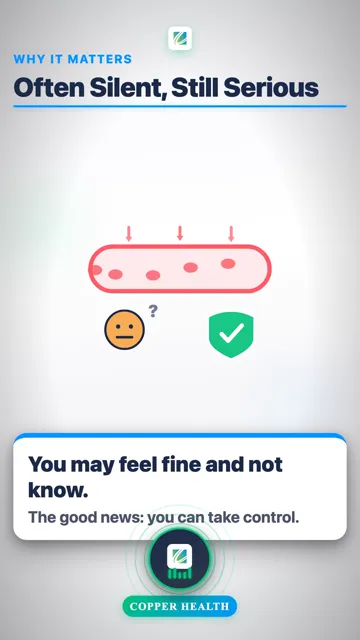
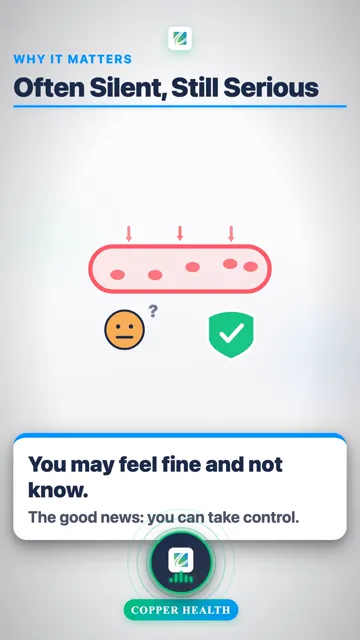
Often Silent, Still Serious
Here's the tricky part. Most of the time, high blood pressure has no signs. You can feel fine and not know. Some people call it the silent problem. Over time, it can quietly strain your heart, brain, and kidneys. But here's the good news. You can take control. Small daily habits make a difference.
Measure It Right at Home
Start here. Measure it right, at home. Small habits make your numbers trustworthy.
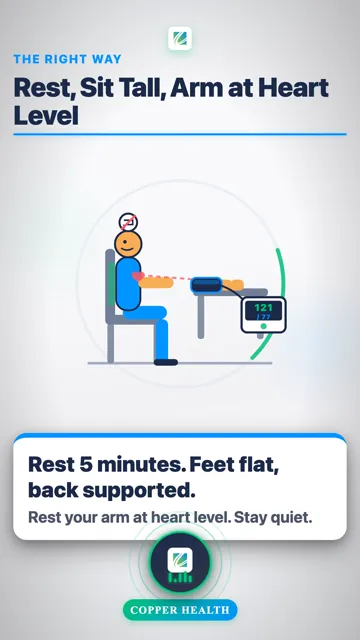
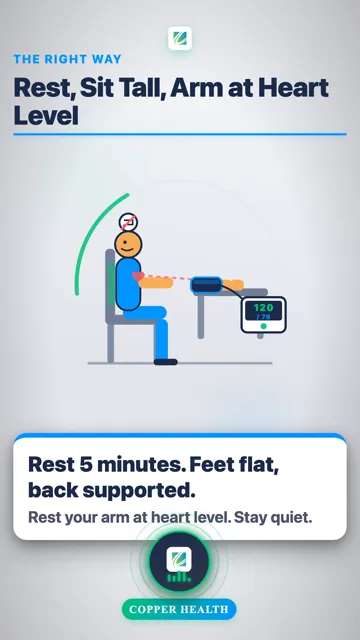
Rest, Sit Tall, Arm at Heart Level
Let's take your blood pressure the right way. First, rest quietly for five minutes. Sit in a chair with both feet flat. Let your back rest against the chair, and don't cross your legs. Rest your arm on a table, at heart level. Wrap the cuff on your bare upper arm — snug, but not too tight. Now stay quiet, and try not to talk. Take two or three readings, a minute apart. Doing it the same way helps you trust your numbers. Ask your nurse to watch you once.
Helpful Tip
One helpful tip. Take it at the same time each day. Write down every reading. And bring your log to each visit.
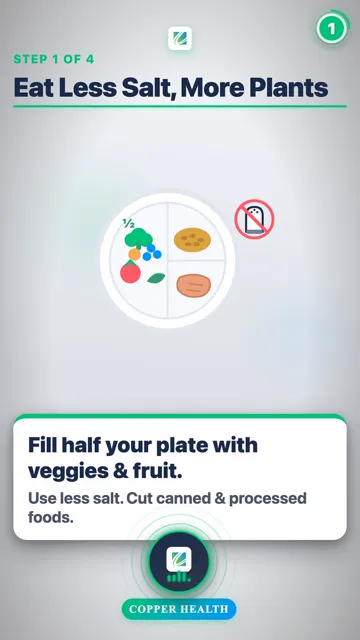
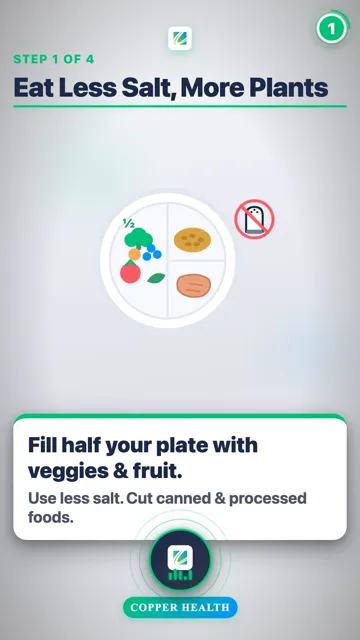
Eat Less Salt, More Plants
Step one. What's on your plate matters. Try to fill half your plate with vegetables and fruit. Next, go easy on the salt. Most salt hides in packaged food — canned soups, deli meats, frozen dinners. So choose fresh foods, and cook at home when you can. This way of eating even has a name — the DASH plan. Ask your nurse before any big diet change.
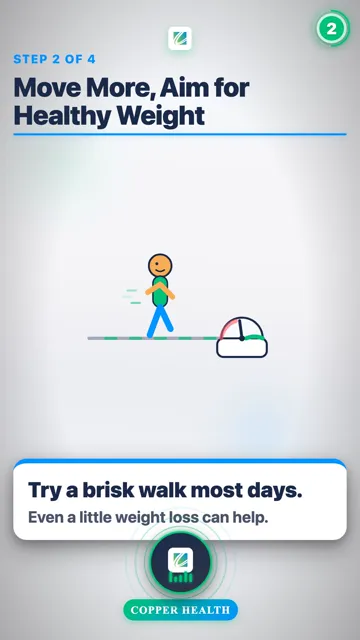
Move More, Aim for Healthy Weight
Step two. Moving your body can help lower your pressure. A brisk walk most days is great. Start small — even five or ten minutes counts. Then build up slowly. And if you carry extra weight, even a small loss can help. Pick one easy way to move today. Always check with your care team before starting something new.
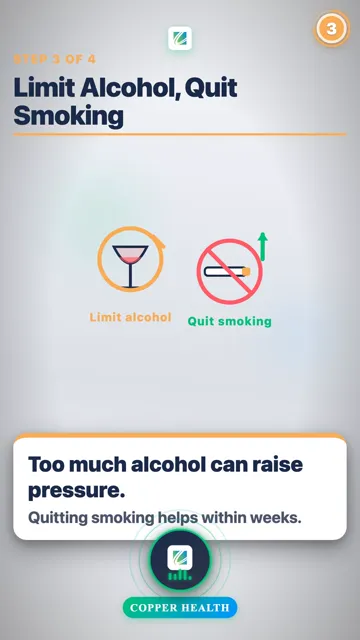
Limit Alcohol, Quit Smoking
Step three. Two habits matter here. Too much alcohol can raise your blood pressure, and weaken your medicine. So keep it limited. Smoking harms your blood vessels. When you quit, your pressure often improves within weeks. Ask your care team for help. You don't have to do it alone.
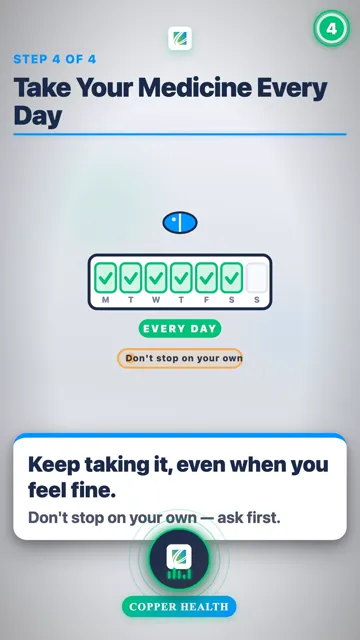
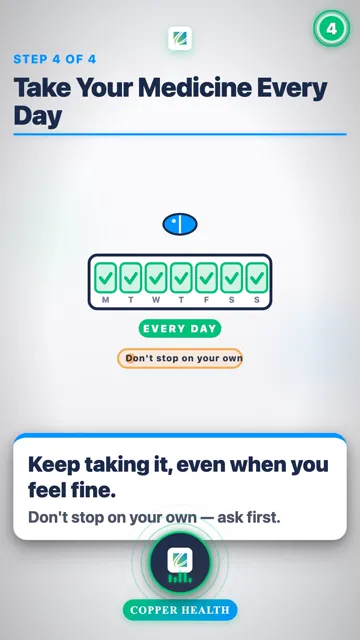
Take Your Medicine Every Day
Step four, and this one is big. If your doctor gave you blood pressure medicine, take it every day. Here's the part people miss — keep taking it, even when you feel fine. Remember, high pressure often has no signs. So please, don't stop on your own. Stopping suddenly can make your pressure jump back up. If a medicine bothers you, don't just quit — call your nurse or doctor first.
CALL YOUR CARE TEAM
Know when to call for help. Sometimes a reading is very high, AND you feel sick. Watch for a bad headache, chest pain, trouble breathing or speaking, or sudden vision changes. With any of these, get help right away. If a reading is high but you feel fine, rest and check again, then call your provider.
REMEMBER
Quick check — can you name one step you'll start this week? Small steps add up, and your care team is here to help.
Next: your kidneys
Here's something most people never connect. High blood pressure can quietly harm your kidneys, often with no warning. Want simple ways to protect them? That's next. Watch "Protecting Your Kidneys."
About this information
This information was created with AI assistance and is for educational purposes only. AI can make mistakes. Always follow your doctor's advice and consult your healthcare provider for medical decisions.