

No fever — still deadly. Older adults can have sepsis without a fever.
This video will help you know what to watch for.
whatIs: What Is Sepsis
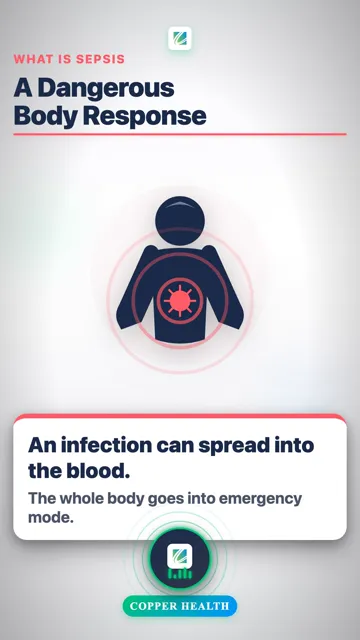
Sepsis is the body's extreme response to an infection. When an infection spreads into the blood, the whole body goes into emergency mode. It can affect the heart, the lungs, the kidneys, and the brain. Sepsis is a life-threatening emergency. But the good news is — if you catch it early, it can be treated.
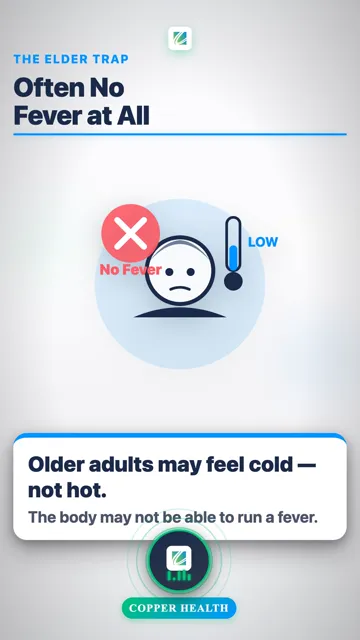
noFever: Often No Fever
Here is the part that surprises most people. In older adults, sepsis often comes with NO fever. In fact, the body may actually feel cold. Temperature may be low or just normal. So the usual warning we look for simply may not show up. That is why sepsis in older adults can be so easy to miss. Knowing the other signs is the key.
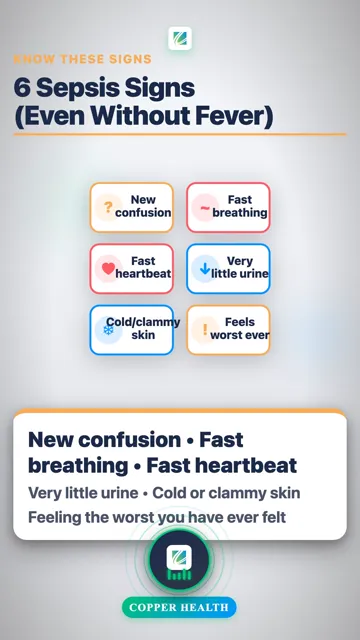
warnSigns: The Six Warning Signs
So what do you watch for? New confusion — sudden and different from normal. Breathing that is fast or harder than usual. A heartbeat that is fast or pounding. Very little urine, even after drinking. Skin that feels cold, clammy, or looks mottled — blotchy. And feeling the worst you have ever felt. You do NOT need all six signs. Even two or three together — with a known infection — should make you act.
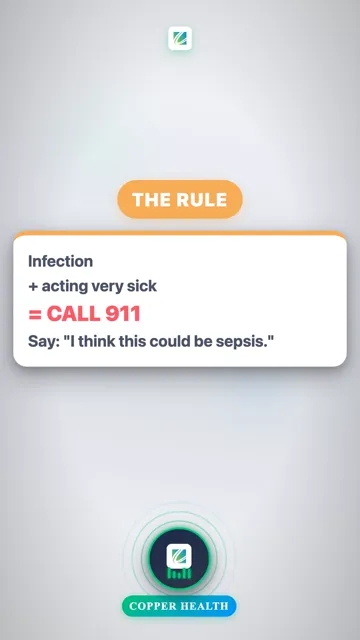
actFast: The Rule
Here is the rule to remember. Infection — plus acting very sick — means call nine-one-one. When you call, say: "I think this could be sepsis." Those words can speed up the care your loved one needs.
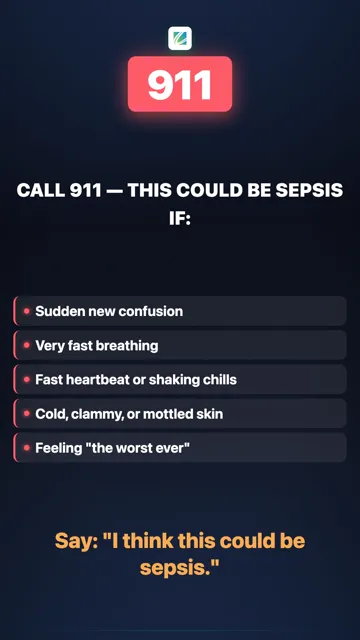
call911: Call 911 Red Zone
Call nine-one-one right away if you see sudden new confusion, very fast breathing, a fast heartbeat or shaking chills, cold, clammy, or mottled skin, or feeling the worst ever. Do not wait. Sepsis can get worse very fast. Tell the dispatcher: "I think this could be sepsis."
prevention: Treat Infections Early
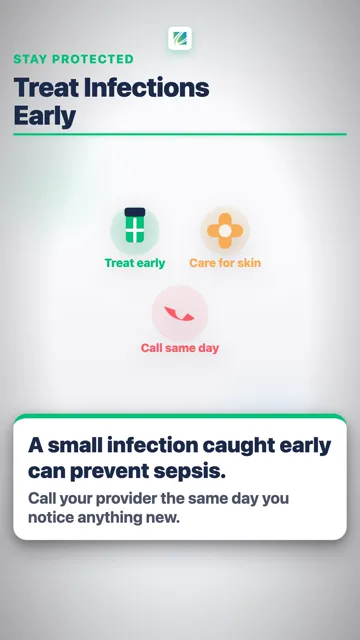
The best way to prevent sepsis is to treat infections early. Never wait on a new wound, a UTI, a skin infection, or a chest infection. Call your provider the same day you notice something new. Do not let it wait until tomorrow. Infections caught early are much easier to treat — and much less likely to turn into sepsis.
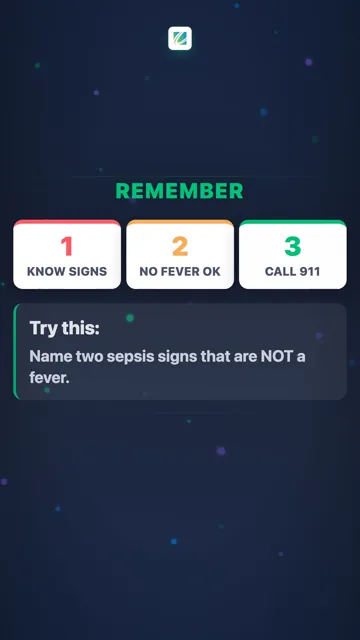
Let's review. Know the six signs. No fever is okay — it can still be sepsis. And if you see signs plus an infection: call nine-one-one. Try this. Can you name two sepsis signs that are NOT a fever?
Next, we go deeper into UTIs — and how a urinary infection can turn into sepsis. Watch UTI zero-one next.
About this information
This information was created with AI assistance and is for educational purposes only. AI can make mistakes. Always follow your doctor's advice and consult your healthcare provider for medical decisions.