

Often, there's no fever.
Often, there's no fever. Pneumonia can hide in older adults.
Pneumonia in Older Adults
Today, pneumonia in older adults. Let's learn the hidden signs.
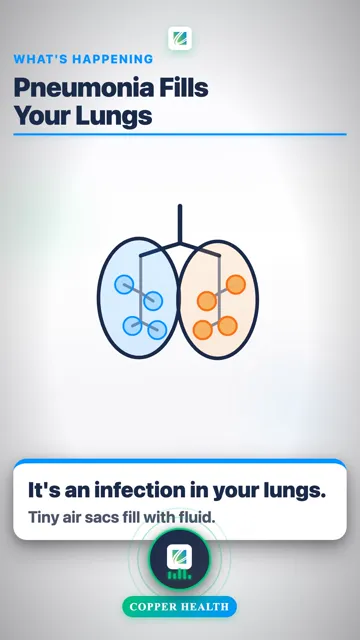
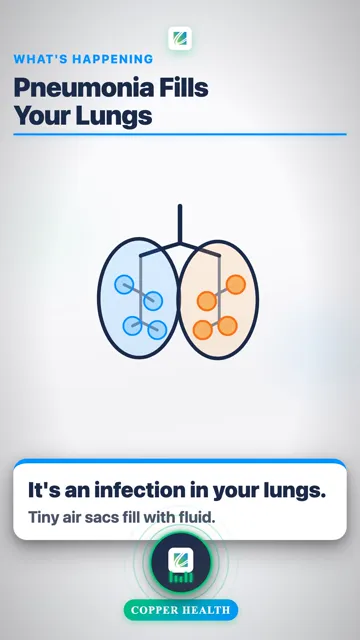
Pneumonia Fills Your Lungs
So what is pneumonia? It's an infection in your lungs. The tiny air sacs fill up with fluid. That makes it harder for oxygen to reach your blood. In older adults, it can be serious — and it often looks different than you'd expect.
It Looks Different
Here's the key. In older adults, pneumonia can look very different. You may have no fever at all.
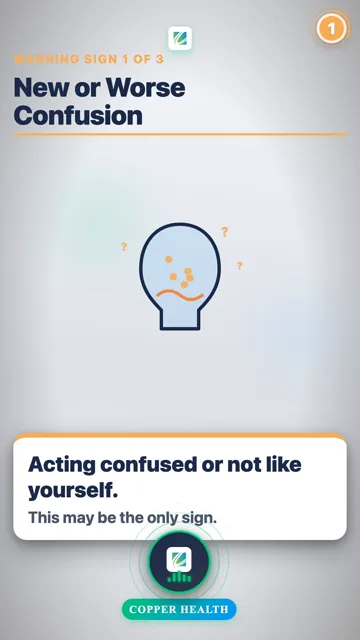
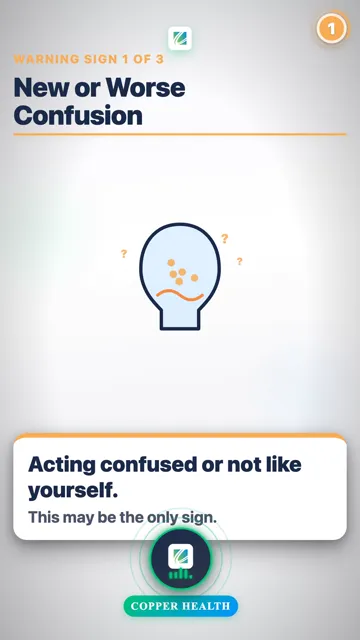
New or Worse Confusion
Sign one. New or worse confusion. Your loved one may act confused, or just not like themselves. In an older adult, this can be the only sign of pneumonia.
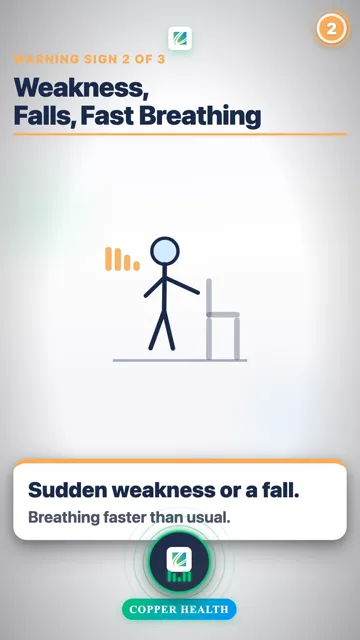
Weakness, Falls, Fast Breathing
Sign two. Sudden weakness, a fall, or fast breathing. A fall with no clear cause, or breathing faster than usual, can be a warning. So can a sudden loss of energy.
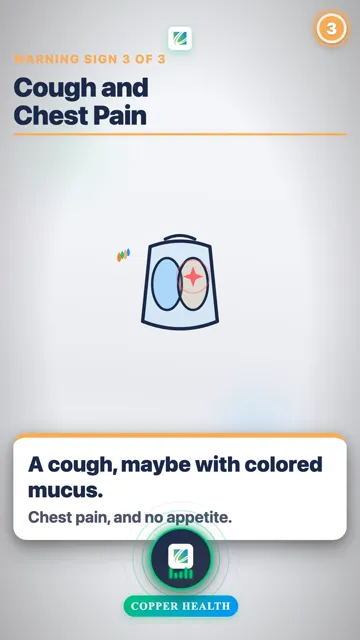
Cough and Chest Pain
Sign three. A new cough and chest pain. The cough may bring up green, yellow, or rusty mucus. Breathing may hurt your chest. You may also lose your appetite.
Don't Wait for a Fever
Remember this. Older adults often don't get a fever with pneumonia — do not wait for one. New confusion, fast breathing, or a cough with weakness means call your provider today.
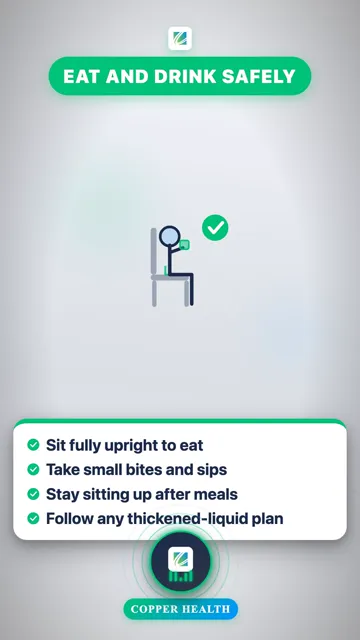
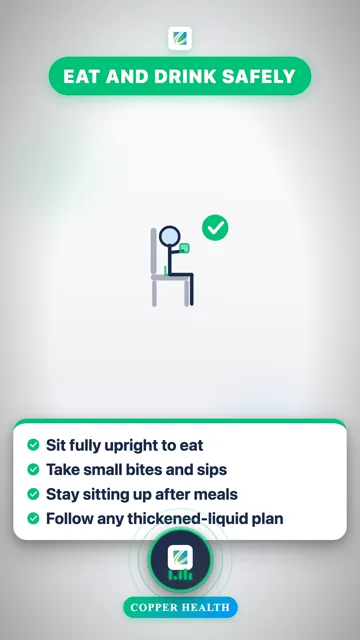
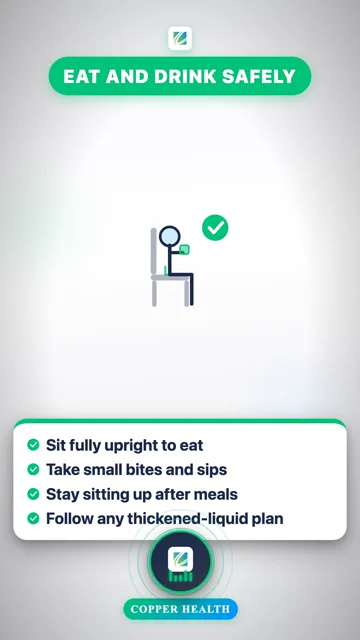
Eat and Drink Safely
Eating safely matters too. Sit fully upright when you eat and drink. Take small bites and small sips, and stay sitting up after meals. If you were given thickened liquids, follow that plan.
Lower Your Risk
You can lower your risk. Ask your provider about the pneumonia, flu, and COVID vaccines. Wash your hands often. Take good care of your mouth. And please, don't smoke.
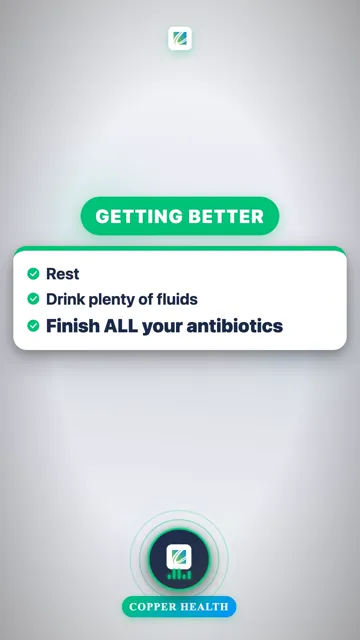
Getting Better
Getting better takes time. Rest, drink plenty of fluids, and finish all of your antibiotics — even when you feel better.
CALL 911 RIGHT AWAY IF
Some signs are an emergency. Trouble breathing, bluish lips or face, or chest pain — call 911.
Can You Name the 3 Signs?
Before we finish — can you name the three signs? Confusion. Weakness or falls. Cough with chest pain.
Many start as flu or COVID
Many pneumonias start as flu or COVID. Next — the shots and habits that lower your risk. Watch next.
About this information
This information was created with AI assistance and is for educational purposes only. AI can make mistakes. Always follow your doctor's advice and consult your healthcare provider for medical decisions.