


A flare-up is coming.
A flare-up is coming. Know the signs before it hits.

Managing COPD Flare-Ups
Today, how to manage a COPD flare-up. Quick action makes all the difference.
A Flare-Up Is Symptoms Getting Worse
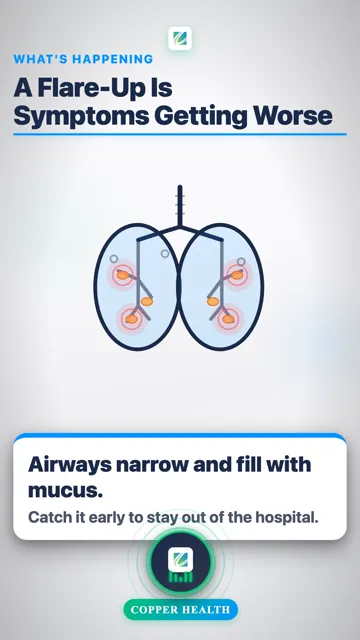
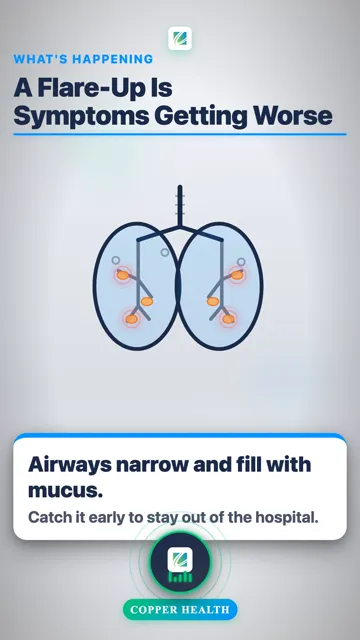
So what exactly is a flare-up? It's when your COPD symptoms suddenly get worse than your normal. Inside your lungs, the airways tighten and fill with extra mucus. That makes it harder to breathe. Here's the good news. If you catch a flare-up early, you can often treat it at home and stay out of the hospital. That's what this video is about.
3 Early Warning Signs
There are three early warning signs. Learn them, so you can spot a flare-up before it hits hard.
More Breathless Than Usual
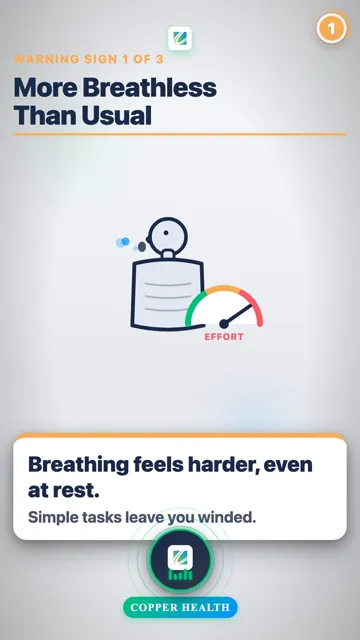
Sign one. You feel more breathless than usual. Breathing feels harder than your normal, even when you're just sitting and resting. Simple things, like getting dressed, may leave you winded. When breathing changes from your normal, pay attention.
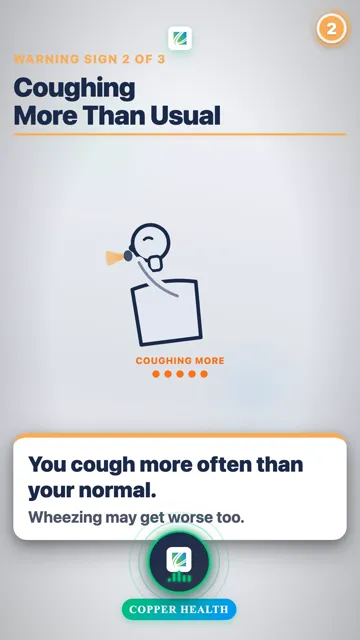
Coughing More Than Usual
Sign two. You're coughing more than usual. You notice you cough more often, or harder, than your normal day. You may also hear more wheezing — that whistling sound when you breathe. More coughing is another early clue.
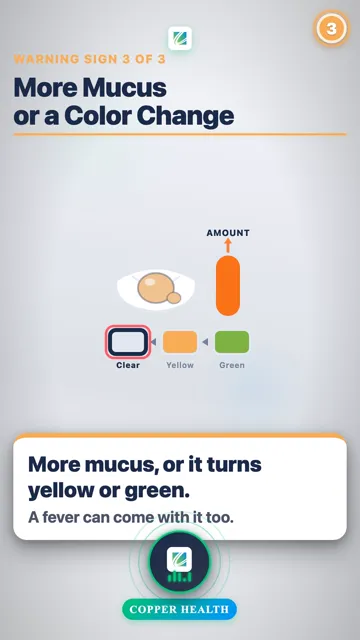
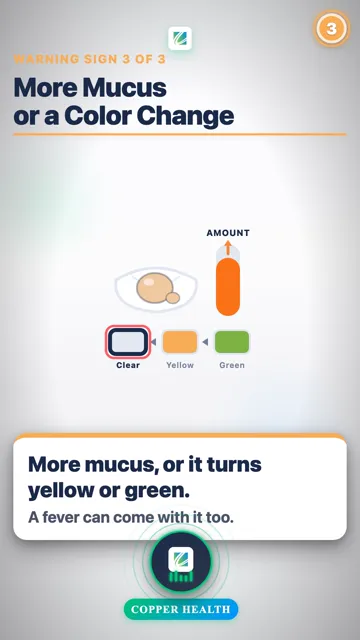
More Mucus or a Color Change
Sign three. A change in your mucus. You may cough up more of it than usual. Or its color may change — turning yellow, or green, instead of clear or white. A fever can show up along with it. These are signs an infection may be starting, so don't ignore them.
Act Fast
The moment you notice these signs, act fast. Don't wait to see if it gets worse. Early treatment can prevent a hospital stay.
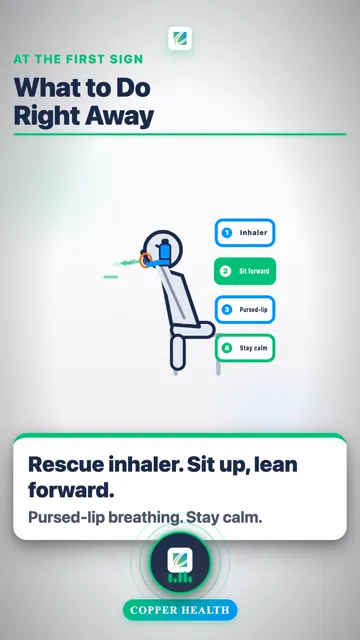
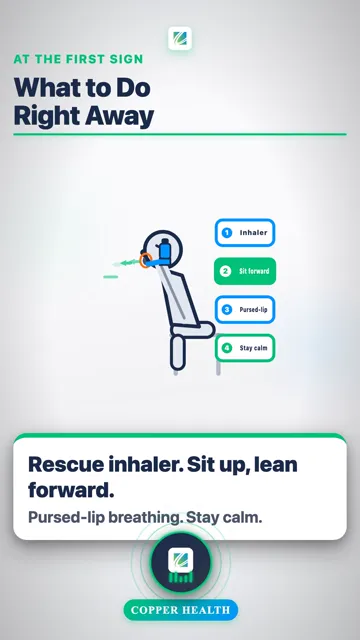
What to Do Right Away
So at the very first sign, here's what to do. First, use your rescue inhaler. Then sit up tall and lean slightly forward, resting your arms on your knees or a table. This helps open your lungs. Now slow your breathing. Breathe in through your nose, then breathe out gently through pursed lips, like you're blowing out a candle. And try to stay calm. Panic makes breathing harder.
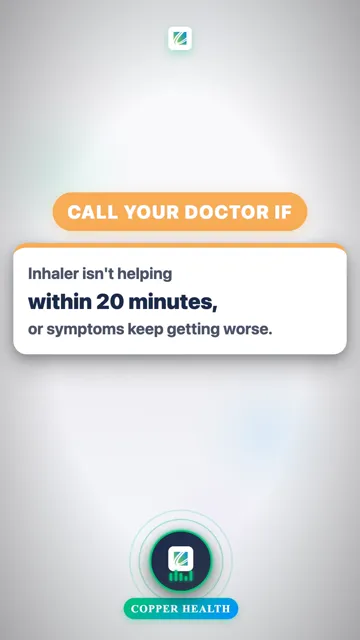
Call Your Doctor If
Now, call your doctor if your inhaler isn't helping within twenty minutes. Or if your symptoms keep getting worse. Don't tough it out — make the call.
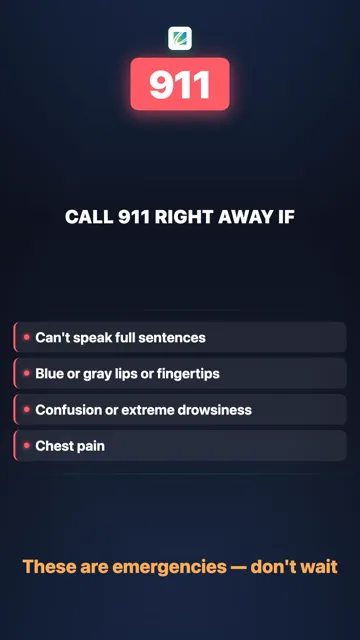
CALL 911 RIGHT AWAY IF
But some signs are an emergency. Call 911 right away if you can't speak a full sentence. If your lips or fingertips turn blue or gray. If you feel confused or extremely drowsy. Or if you have chest pain. These are emergencies — don't wait.
Keep a Flare-Up Kit
A helpful tip — keep a flare-up kit ready. Your rescue inhaler, any emergency medicines, your doctor's number, and a small packed bag.
Remember
So remember three things. Know the signs. Act fast. And don't wait to call for help.

Next: do more, breathe less
Next — the trick to doing more while breathing less. Watch next.
About this information
This information was created with AI assistance and is for educational purposes only. AI can make mistakes. Always follow your doctor's advice and consult your healthcare provider for medical decisions.